From the 13th to the 28th of April, we invite you to join us for WHODUNNIT? at Wellington City SPYbraries and enter a world of detectives, spies, espionage, and mystery.
We have a whole range of exciting activities planned for you – race against the clock to solve a mystery, search through your local library – sorry, SPYbrary – to solve the mystery of the Golden Tickets, create your own kit of spy gadgets, or put together a tricksy maze using our LEGO® sets – there’s something for everyone!
Wellington City Libraries will also be welcoming two authors into our spaces over the April holidays.
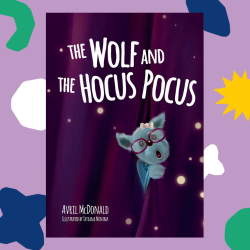
Avril McDonald will be joining us in seven of our libraries for several storytimes throughout the first week of the holidays as she celebrates the launch of her latest book The Wolf and the Hocus Pocus and of the Empowering Brave Voices campaign. For more information about these events, check out this blog post.
Paul Beavis will be leading a fantastic workshop at Te Māhanga | Karori Library in the second week of the holidays where tamariki will get to learn about how a picture book is made and learn some illustration tips and tricks from the master. To find out more about this event, check out this blog post.
If you’re a bit older (ages 12-19) head over to our Teen Blog to learn about our online challenge for teens!
Visit this page to see the whole calendar, or read on to find out more about what’s coming up at your local library or community centre!
Whodunnit? Puzzle Room Challenge
Race the timer to solve a mystery!
Work your way as a team through a series of hands-on and brain-teasing puzzles to solve the mystery, accuse the correct suspect, and save the day!
Recommended for tamariki aged 7-13 with their caregivers.
Find out how to register for a 30-minute slot with the links below.
- Tuesday 16 April 2024, 1-3pm — Island Bay Community Centre
- Thursday 18 April 2024, 1-4pm — Te Takapū o Patukawenga | Mervyn Kemp (Tawa) Library
- Friday 19 April 2024, 2-3.30pm — Korimako | Cummings Park (Ngaio) Library
- Monday 22 April 2024, 1-4pm — Waitohi | Johnsonville Library
Incognito Investigator Kit
Are you a super spy in the making?
Come along to the library to craft your very own spy-kit. Make and decorate your very own binoculars, magnifying glass, mask, or spy-dentification card.
For tamariki aged 5+ with their caregivers.
- Tuesday 16 April 2024, 2.30-3.30pm — Ōtari | Wadestown Library
- Wednesday 17 April 2024, 2-3pm — Ngā Puna Waiora | Newtown Library
- Monday 22 April 2024, 2-3pm — Motu-kairangi | Miramar Library
- Tuesday 23 April 2024, 2-3pm — Te Awe Library
Join us at two of our libraries for a special detective-themed storytime, followed by the chance to create something to add to your investigator kit.
- Monday 15 April 2024, 10.30-11.30am — Te Takapū o Patukawenga | Mervyn Kemp (Tawa) Library
- Tuesday 16 April 2024, 10.30-11.30am — Waitohi | Johnsonville Library
- Monday 22 April 2024, 10.30-11.30am — Te Takapū o Patukawenga | Mervyn Kemp (Tawa) Library
- Tuesday 23 April 2024, 10.30-11.30am — Waitohi | Johnsonville Library
Where in the Library is Carmen Sandiego?
1985 – the year of the release of the original Where in the World is Carmen Sandiego? on floppy disk!
Enter a virtual time machine at the library and learn how to enable our modern computers to run video games from the ‘80s and early ‘90s using emulation software, and experience the classic sleuthing game from 1985 in its original form.
For ages 10+ with their caregivers, if under 14. Laptops will be provided.
Registrations are required as spaces are limited. Find out how to register using the links below.
- Thursday 18 April 2024, 2-3pm — Arapaki Library
- Tuesday 23 April 2024, 2-3pm — Te Awa-a-Taia | Ruth Gotlieb (Kilbirnie) Library
Golden Ticket Quest
Join us at the library for a thrilling detective adventure!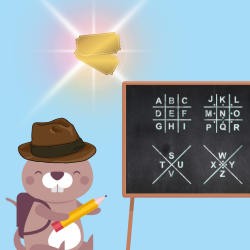
Decode cryptic clues, uncover mysterious messages, and work together in teams to find golden tickets hidden within the library. Can your team find all the tickets before your time runs out?
For ages 8+ with their caregivers.
To register for a librarian-led team experience, visit the link below. Otherwise just drop into your local library, ask the librarian at the desk for the first clue, and head off on your own adventure amongst the shelves!
Let’s go LEGO®: Spy Edition
Come down to the library and test your hand at LEGO® mazes and blind builds!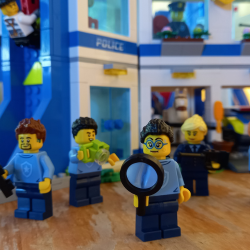
Put your creative skills to the test as you design and build your masterpiece using our LEGO® collections.
Recommended for tamariki aged 5+ with their caregivers.
- Thursday 18 April 2024, 2-3pm — Te Awe Library
- Friday 19 April 2024, 2.30-3.30pm — Waitohi | Johnsonville Library
- Friday 19 April 2024, 3-4pm — Ōtari | Wadestown Library
- Tuesday 23 April 2024, 10.30-11.30am — Te Awe Library
- Wednesday 24 April 2024, 2.30-3.30pm — Te Takapū o Patukawenga | Mervyn Kemp (Tawa) Library
Or join us at Tawa Community Centre for a session of Let’s Go LEGO®: Gadget Edition and combine LEGO® building with some of our spy-gadgets.
- Tuesday 16 April 2024, 2-4pm — Tawa Community Centre
- Tuesday 23 April 2024, 2-4pm — Tawa Community Centre
Mystery Movie
Join us at the SPYbrary for a casual film viewing of a *mysterious* nature.
What movie are we showing? Who knows?! – we’re not allowed to tell! (But if you call and ask we will let you know!)
Will it be good? – Absolutely! Well, we think so anyway.
All movies screened are rated G or PG.
- Wednesday 17 April 2024, 3-4.30pm — Waitohi | Johnsonville Library
- Friday 19 April 2024, 2-3.30pm — Te Awe Library
- Wednesday 24 April 2024, 11am-12.30pm — Ōtari | Wadestown Library
- Wednesday 24 April 2024, 3-4.30pm — Waitohi | Johnsonville Library
- Friday 26 April 2024, 2-3.30pm — Te Awe Library
Tech Time: Gadget Fun
Come along for a hands-on experience with our library spy-gadgets!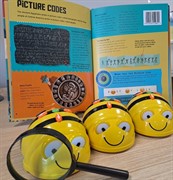
Try out our robots, and other devices and have the freedom to experiment with them in a (reasonably) free-play environment.
Registrations are required as spaces are limited. Find out how to register using the link below.
Throwback Gaming Afternoon
 Experience retro gaming at the library!
Whether you’re joining us for an afternoon of nostalgia, or to experience new (old) video games, there’s something for everyone. We have a variety of consoles from several decades for you to try out.
This event is for ages 10+ (with no upper age limit!), and registrations are required. Find out how to register using the links below.
- Thursday 18 April 2024, 2.30-3.30pm – Waitohi | Johnsonville Library
- Thursday 18 April 2024, 3.30-4.30pm – Waitohi | Johnsonville Library
Experience VR
 Virtual reality (VR) offers us a new and exciting way to learn about and experience the world around us. From 3D painting and virtual sculpting to problem-solving with robots and exploring some of the world’s most extreme locations, this is your opportunity to experience VR from the safety and comfort of the Island Bay Community Centre.
This event is suitable for rangatahi aged 10+. Space is limited, so registrations are required — visit the link below to register.
Mystery Board Games
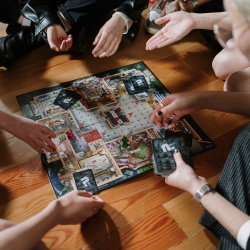 Channel your inner Sherlock and solve mysteries and uncover secrets!
Bring your friends along and make some new ones at our casual mystery-themed board game session.
Choose from a selection of our board games, or bring your own to share.
For ages 5+. Those under 14 will need to be accompanied by a caregiver.